打印本文
打印本文  關閉窗口
關閉窗口 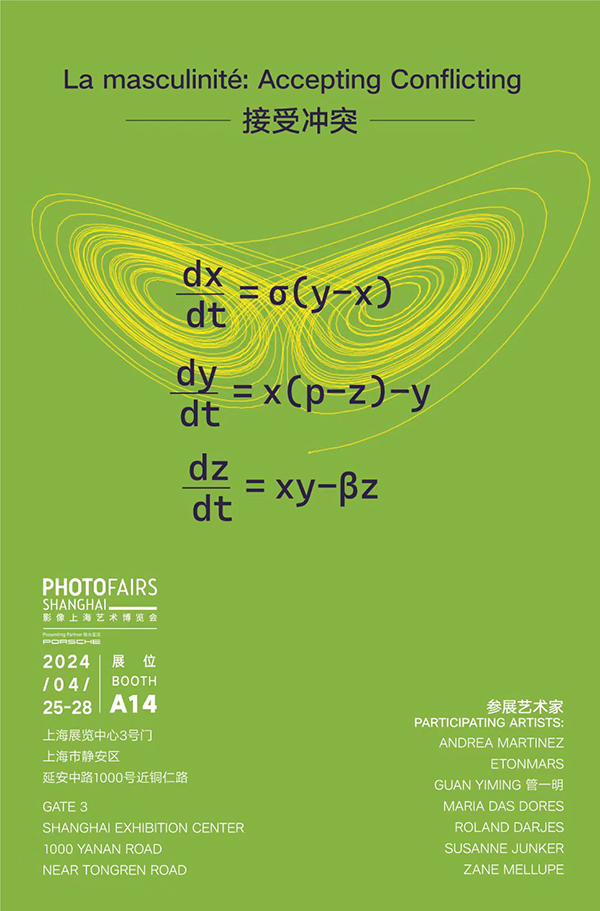
The year 2024 marks the 60th anniversary of diplomatic ties between China and France. The relationship has fostered a great expansion of consciousness in different fields, this time emphasizing humanities and art not only between China and France but also the East and the West.
“La masculinité: Accepting Conflicting" is an exhibition that is a part of the Antonyms Actonition that is advocating for inclusiveness and gender equality. The exhibition is shown in Photofairs Shanghai 2024 at booth A14, from April 25th to April 28th.
Accepting conflicting views and accepting contradictions allows us to question and develop since the state of our being itself should not be perceived as constant but rather an ever-changing contextual concept of emergence, where norms are just a bare reference, and not the representation of truth. Conflicts can help inspire creativity, provide clarity, restore trust, and build self-awareness.
We are all beautiful, conflicted contradictions, and being able to accept others as such is what makes us human.
For centuries, France has been a place where international artists would meet. This time the artists who are being presented are the ones who have found their way together through a French connection in China: Andrea M. Figueiredo, Etonmars, Guan Yiming, Maria Das Dores, Roland Darjes, Susanne Junker and Zane Mellupe. Through their works, the artists will showcase both the cultural diversity of talent connected to France in China and the inclusiveness and appreciation that is present in Chinese society towards French values and artistic expression.
The exhibition is supported by the EASA (Europe Arts & Science Association) and the ERA (Europe Researchers Association).
“La masculinité:接受沖突”
2024年是中法建交60周年。這種關系促進了不同領域意識的巨大擴展,這一次不僅強調了中法之間的人文和藝術,也強調了東西方之間的人文和藝術。
“La masculinité:接受沖突”展覽是倡導包容性和性別平等的反義詞行動的一部分。該展覽于 4 月 25 日至 4 月 28 日在 影像上海藝術博覽會2024 的 A14 展位上展出。
接受沖突和接受矛盾允許我們質疑和發展,因為我們存在的狀態本身不應該被視為恒定的,而是一個不斷變化的涌現的背景概念,其中規范只是一個純粹的參考,而不是真理的代表。沖突有助于激發創造力,提供清晰度,恢復信任,并建立自我意識。
我們都是美麗的,矛盾的,能夠接受他人是我們成為人類的原因。
幾個世紀以來,法國一直是國際藝術家聚會的地方。這一次,展出的藝術家是那些通過法國在中國的聯系找到了自己的路的人:Andrea M. Figueiredo, Etonmars, Guan Yiming, Maria Das Dores, Roland Darjes, Susanne Junker, Zane Mellupe。通過他們的作品,藝術家們將展示中國與法國相關的文化多樣性,以及中國社會對法國價值觀和藝術表達的包容和欣賞。
該展覽得到了EASA(歐洲藝術與科學協會)和ERA(歐洲研究人員協會)的支持。
Andrea M. Figueiredo
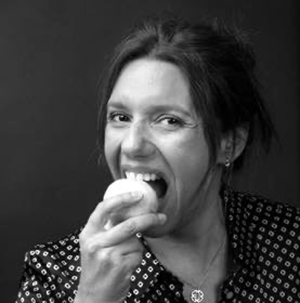
Andrea is a Spanish-Uruguayan photographer who has pursued her passion for photography professionally. After exploring various techniques on her own, including pinhole cameras and cyanotypes, Andrea took various courses at La Máquina Photography School and completed a master’s degree in artistic photography at Node Center. She then decided to explore the world of galleries and completed additional training in gallery management and direction. She had the opportunity to do an internship at Art+ Gallery in Shanghai to further develop her knowledge and skills in this environment. Her focus on social and cultural themes, combined with her background in anthropology, lead her to create photographs that challenge stereotypical gender roles, as seen in her artistic project (fe)MALE, which was featured in the group exhibition Seeing Him in Shanghai in 2021. In 2023, she published her first photography book, 98 Zhao Families, in Madrid, highlighting the lives of the Yao ethnic minority in Guizhou, China.
Andrea是一名西班牙裔烏拉圭攝影師,她一直在專業地追求自己對攝影的熱情。在自己探索了各種技術后,包括針孔相機和藍鉛字,Andrea在La Máquina攝影學校參加了各種課程,并在Node Center完成了藝術攝影碩士學位。然后,她決定探索畫廊的世界,并完成了畫廊管理和指導方面的額外培訓。她有機會在上海的Art+Gallery實習,在這種環境下進一步發展她的知識和技能。她對社會和文化主題的關注,加上她的人類學背景,使她創作出挑戰陳規定型性別角色的照片,正如她的藝術項目(fe)MALE所見,該項目在2021年上海的群展“看見他”中展出。2023年,她在馬德里出版了她的第一本攝影集《98個趙家》,突出了中國貴州瑤族的生活。
Artist statement
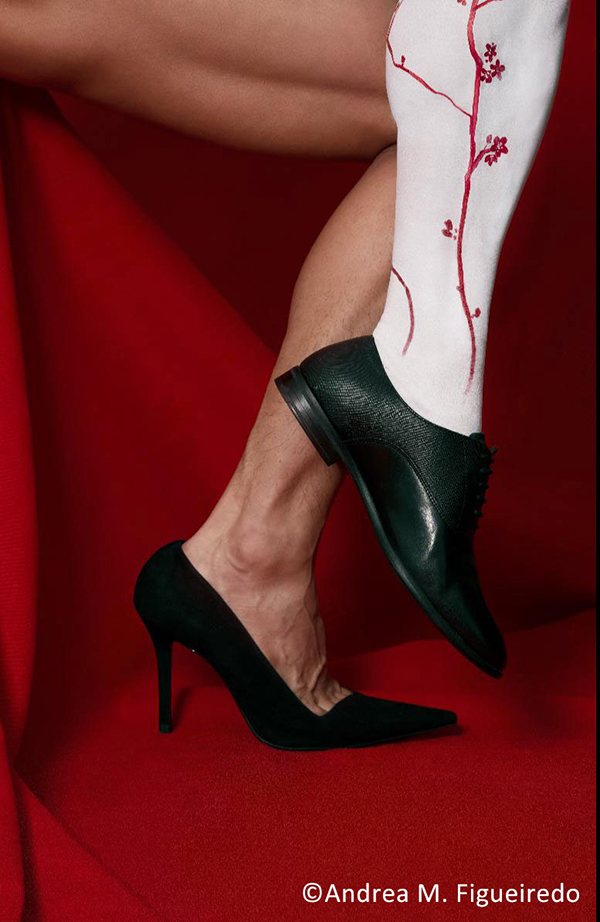
With her photography, Andrea explores how contemporary society is changing the perception of masculinity. A few years ago, it would have been unthinkable to consider these changes. However, the first steps of the feminist movement that emerged in the 18th century promoted freedom for both women and men and equality between them. Over the years, women have been taking up spaces and roles in society, also challenging the traditional notion of masculinity. The feminist movement has questioned and challenged toxic masculinity, which has been dominant in society. Currently, we are experiencing a crisis where men are awakening from their slumber and starting to question their behaviors toward society. There is a fear of profound change and a new world, where oppressive masculinity is left behind and diverse forms of being a man are created, free from gender stereotypes. This involves connecting with emotions, dialoguing with oneself and with others, and implementing new ways of educating future generations and being new fathers, in a masculinity free from prejudice.
Andrea用她的攝影探索了當代社會如何改變人們對男性的看法。幾年前,考慮這些變化是不可想象的。然而,18世紀出現的女權運動的第一步促進了女性和男性的自由以及他們之間的平等。多年來,女性在社會中占據了空間和角色,也挑戰了傳統的男性觀念。女權運動質疑和挑戰了在社會中占主導地位的有毒男子氣概。目前,我們正在經歷一場危機,男人們從沉睡中醒來,開始質疑他們對社會的行為。人們害怕深刻的變化和一個新的世界,在這個世界里,壓迫性的男子氣概被拋在身后,不同形式的男人被創造出來,擺脫性別陳規定型觀念。這包括與情感聯系,與自己和他人對話,實施教育后代和成為新父親的新方法,沒有偏見。
Etonmars
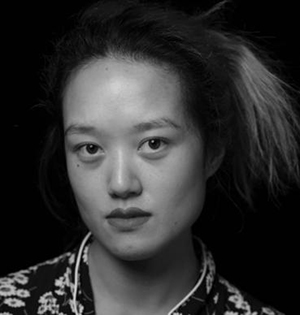
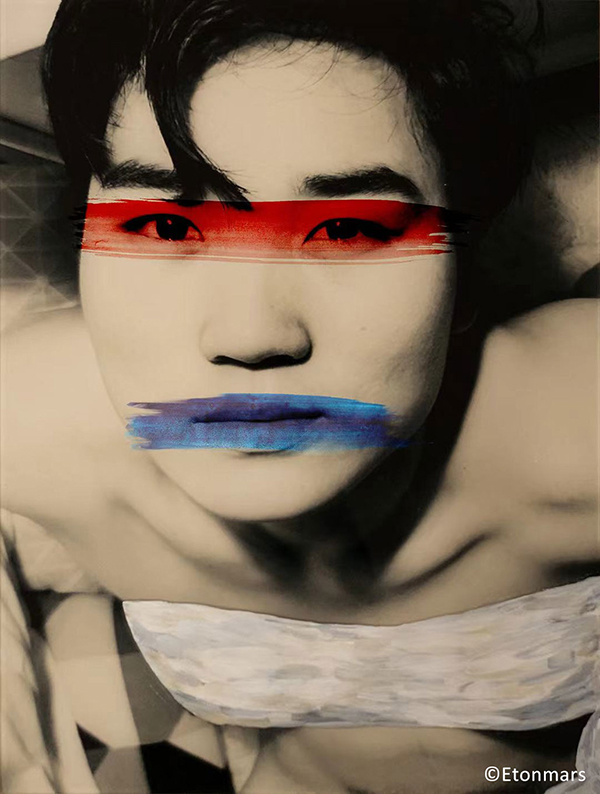
Etonmars began exploring the medium of photography at the early age of 13. The young version of her was proud of the quirky angles her camera goes. She went on to study moving image in UK after acquisition of English through 3 days of successive dreams. She had been filming and directing mainstream documentaries and drama series alongside indie films by friends, but the high intensity both physically and mentally of the industry broke her health, which was when she decided to turn inwards in search for a more inclusive and comprehensive way to artistic expression in life. The conflicting reality she faces daily and the tear between identities renders her in constant sensitivity about all images she catches in her stream of life.
Etonmars在13歲時就開始探索攝影這一媒介。年輕的她為她相機拍攝的古怪角度感到自豪。在連續三日的夢境中學會英文后,她到英國繼續學習研究動態影像,之后她拍攝,執導主流媒體的紀錄片,連續劇和朋友的獨立影片。而行業中身體和精神的雙重高強度使她的健康一度崩潰。她從此轉向內觀,溯尋一種對于生活本身更具包容性的綜合藝術表達方式。她每天面對的矛盾現實和身份之間的撕裂使她對生活中捕捉到的所有圖像保持敏感。
Artist statement
Etonmars utilizes a combination of film, photography, and multimedia tools to explore the intersection between gender, societal contexts, trauma and their relationship with the inner self. In an evolving metaphoric view, she tries to expand the boundaries that define us, and art.
攝影與攝像融合媒介創作者,作品探索性別身份的并峙,對既定社會邊界、精神創傷與內在自我的關系提出質詢。不斷在隱喻中發展的創作,通過分離、重塑與再創造,拓展個人身份和藝術表達的界限。
Guan Yiming
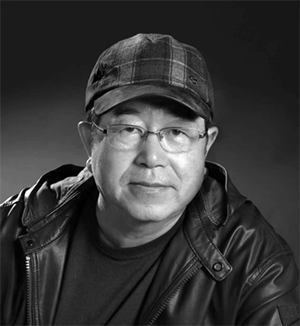
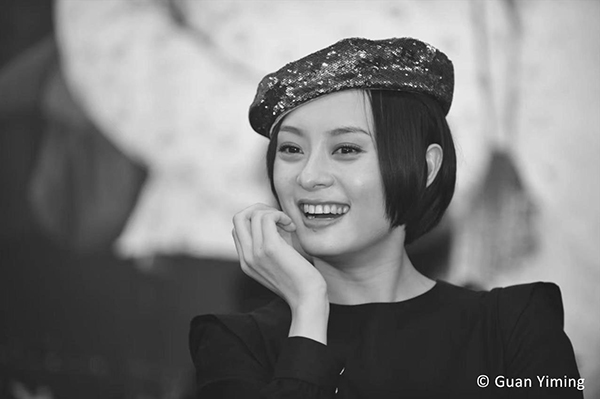
Guan Yiming has systematically photographed many cultural world celebrities, Shanghai cultural celebrities and Chinese and foreign film stars. With his series of works that depict contemporary pop icons and are key role players between East - West cultural exchange, he has held exhibitions, published books and won awards.
管一明系統地拍攝了許多世界文化名人、上海文化名人和中外電影明星。通過這些描繪當代流行偶像并在東西方文化交流中扮演重要角色的系列作品,他舉辦了展覽,出版了書籍并獲得了獎項。
Artist statement
Looking at the documentary function of photography in a broad sense, it can be said that the documentary characteristic is the ubiquitous "soul" of photography. First of all, let's take a look at Mr. Guan Yiming's first set of photos, how he is in the process of character photography "documenting" people's living state, grasping the multiple interests of life.
This is a group of static pictures; characters or aestheticism appear in the natural space, photography works from the surface to record the survival form of the characters, especially the plane shape and instantaneous single picture, it seems difficult to grasp the unpredictable mentality of the characters. However, the brilliance of photographers lies in how to enter the depths of people's hearts through these silent and static pictures, grasp the seven emotions and six desires of human beings, so as to give the characters in the picture "spirituality" and strengthen the photography of the depicted characters to reach a higher level.
"Photography is the combination of vision, mind and reason in one of the only important moments." Everyone who can take pictures may have this experience. Time is irreversible, the time has passed, no power can be restored. In the rapid passage of events, the essence of the moment with typical meaning and its brevity, and the mental transition of the character is much shorter than you usually feel in any case. Even when the photographer looks at the ordinary world with an extremely casual eye and integrates his unique views on life with a casual glance on the surface, the instantaneous power of the capture may show its strong vitality and make photography independent beyond other artistic styles.
從廣義上看攝影的紀實功能,可以說紀實特性是攝影無所不在的“靈魂”。我們先來看管一明先生的第一組照片,看他是如何在人物攝影的過程中“紀實”人的生存狀態,把握人生的多重情趣的。
這是一組以靜態為主的畫面,人物或是以唯美的造型出現在自然的空間,攝影作品從表面上看紀錄的是人物的生存形態,尤其是平面的形和瞬間的單幅畫面,似乎難以把握變幻莫測的人物心態。但攝影家的高明之處,就在于如何通過這些無聲靜止的畫面走入人的心靈深處,把握人的七情六欲,從而賦予畫面中的人物以“靈性”,使攝影的人物攝影強化到更高的層次。
“照片是眼光、心靈與理智在一個唯一重要的瞬間的結合。”每個會拍照的人可能都有這樣的體會,時間是不可逆轉的,時機過去了,任何力量也無法挽回。在迅速流逝著的事件中,帶有典型意義的瞬間精華是及其短暫的,人物的心態轉換更是無論如何要比你通常感覺到的要短暫得多。甚至當攝影家以極其隨意的眼光觀察這個平凡的世界,以表面上看去不經意的一瞥融入他對人生的獨特見解,抓拍的瞬間力量就有可能顯示出它強大的生命力,使攝影超越了其它藝術樣式而獨立出來。
Maria Das Dores
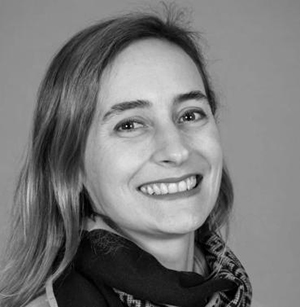
Maria was born in France in 1977, and studied at Ecole des Beaux Arts, Lyon, France and Concordia University, Montreal, Canada. She has had a varied and international career (Quebec 2002; Barcelona, as artist in residence, 2005; Auxerre, France, in the town's heritage department, 2006; workshop on video morphing (Lux-Valence, France) 2006).
She came to Shanghai in 2006 to take up a position as visual art teacher in the French School. Since arriving in Shanghai, her works were shown in several exhibitions, both in Shanghai and in Beijing. As a teacher, she has successfully developed pupils' artistic talents, allowing them to take part in Shanghai world expo exhibitions "Better City, Better Life" 2010. In 2011, she focused her work on the field of education, working full time as an art teacher, developing projects in art history in the school, creating project with international artists in the school as cultural referent.
Maria Das Dores 1977年出生于法國,曾就讀于法國里昂美術學院和加拿大蒙特利爾康科迪亞大學。她有各種各樣的國際職業生涯(魁北克2002;巴塞羅那,作為常駐藝術家,2005年;法國歐塞爾,在該鎮的遺產部門,2006年;2006年視頻變形研討會(法國Lux-Valence)。
Artist Statement
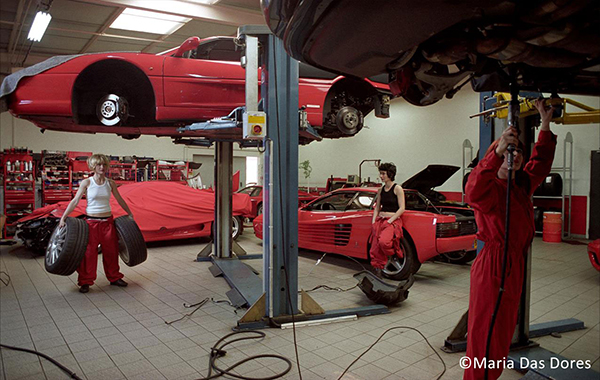
In her series of works Maria is questioning the role of women in contemporary society by acting them out and documenting them.
These pictures question the interchangeability of female and male roles. The setting represents the collective fantasy of the luxury cars’ world. By their physical attitudes, the female characters take over and reinterpret these worlds.
在她的系列作品中,Maria通過表演和記錄來質疑女性在當代社會中的角色。
這些照片質疑女性和男性角色的互換性。 這個場景代表了豪華汽車世界的集體幻想。 通過她們的身體態度,女性角色接管并重新詮釋了這些世界。
Roland Darjes
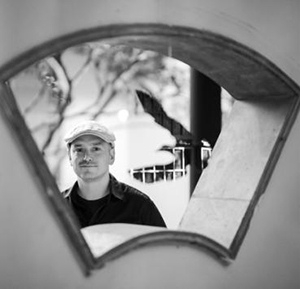
The son of a German actress and an American opera director, Roland Darjes grew up in a world of art. He attended schools with a focus on art in Germany and the United States before studying communication arts and interactive media in Hamburg, Germany.
After living in Europe, the United States, and Argentina, his fascination with other cultures and languages brought Roland to China many years ago. Here he has since blended the overwhelming inspiration of Shanghai’s city lights into his art.
With his camera, he is constantly on the lookout for spectacular impressions in the streets of Shanghai, using this photographic material as inspiration for his installations. He is always in search of new materials and techniques with which he, as a foreigner, can present his impressions.
"Shanghai is a great place to experiment with different materials to produce new forms of artwork," Roland says. During his time in China, he has worked with LEDs, lightboxes, neon lights, all kinds of prints, cutouts, and many glass and reflecting materials.
Roland Darjes 是一位德國女演員與一位美國歌劇導演之子,在藝術的世界中長大。他曾在德國和美國就讀于重點藝術學校,后在德國漢堡學習傳播藝術與互動媒體。
在歐洲、美國和阿根廷生活過后,對其他文化和語言的迷戀讓Roland多年前來到了中國,在這里,他將上海城市燈光的濃郁靈感融入了自己的藝術中。
拿著相機,他不斷在上海的街頭尋找壯觀的印象,使用這些攝影材料作為他裝置藝術的靈感來源。他總是在尋找新的材料和技術,作為一個外國人,用以呈現自己的印象。
Roland說:“上海是個用不同材料實驗新型藝術作品的絕佳地點。”在中國的這段時間里,他使用了LED燈、燈箱、霓虹燈、各種印刷品、剪紙以及許多玻璃和反光材料進行創作。
Artist statement
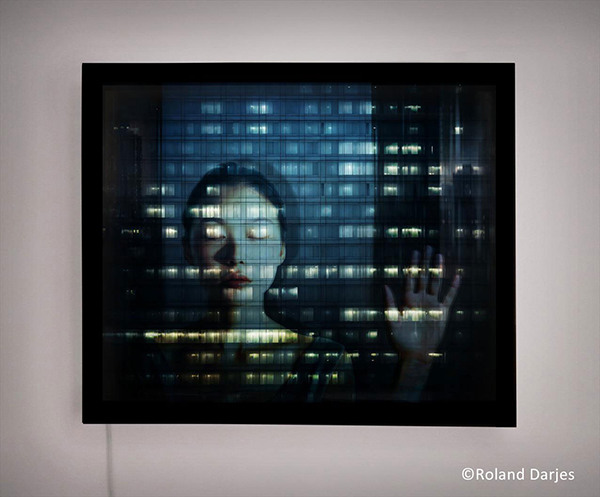
"Reflections of the City: Windows as Urban Narratives" explores the multifaceted stories told by city windows—what they disclose about the cityscape and its inhabitants. Utilizing lightboxes equipped with various transparent layers, the artist delves into the interplay of light emanating from windows and the reflections on the glass. This method reveals the complex layers of reality that compose urban life. Through the manipulation of light and reflection, the series aims to uncover the diverse narratives that windows in a city can tell, from the personal stories of its people to the architectural beauty of its structures. It's an artistic investigation into the visible and the hidden, the light and its shadows, crafting a dialogue about the urban experience through the lens of its most transparent elements.
《城市的倒影:都市敘事的窗口》
探索了城市窗戶所講述的多面故事——它們透露出關于都市風景及其居民的信息。藝術家利用裝配了的各種透明層的燈箱,深入探討窗戶散發出的光線反射在玻璃上的相互作用。這種方法揭示了構成都市復雜生活的現實層面。通過光線和反射的操縱,該系列旨在揭示都市窗戶可以講述的多樣化敘事,從人們的個人故事到建筑結構的美學之美。這是對可見與隱藏、光與影的藝術性探索。通過最透明的元素,就都市體驗進行了對話。”
Susanne Junker
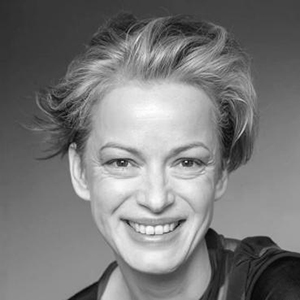
Born 1973 in Germany, she lives and works in Paris, France. Her work concentrates on identity research. Practicing observation of herself since early childhood, Susanne has used her own body as a canvas for interpretation of social themes, feminist and female behaviour and turned around her meiotic exposure to firstly break the preconception of her then current job as a model in the 1990s and her own struggle with what she describes as "24/7 demanded perfection". Since then, she embraced themes of gender identification, the objectification of women and the use of sexuality in media via photography, video, drawing and performance. Susanne Junker founded and directed stageBACK, an artist run space for experimental projects in Shanghai, China from 2008 – 2013. Since 2018, Susanne has been teaching “Researching Identity”, a photographic course at the China Academy of Art (CAA) in Hangzhou, China. Since 2020, Susanne has been a member of the Parisian photography collective “La Belle étoile”.
Susanne 1973年出生于德國,她在法國巴黎生活和工作。她的工作集中于身份研究。Susanne從童年早期就開始練習觀察自己,她用自己的身體作為畫布來解釋社會主題、女權主義和女性行為,并扭轉了她的減數分裂暴露,首先打破了她在20世紀90年代作為模特的工作的先入之見,以及她自己與她所描述的“24/7要求完美”的斗爭。從那時起,她接受了性別認同、女性物化以及通過攝影、視頻、繪畫和表演在媒體中使用性的主題。Susanne Junker于2008年至2013年在中國上海創建并指導了stageBACK,這是一個藝術家經營的實驗項目空間。自2018年以來,Susanne在中國杭州的中國美術學院(CAA)教授“研究身份”攝影課程。自2020年起,Susanne成為巴黎攝影集體“La Belle étoile”的成員。
Artist statement
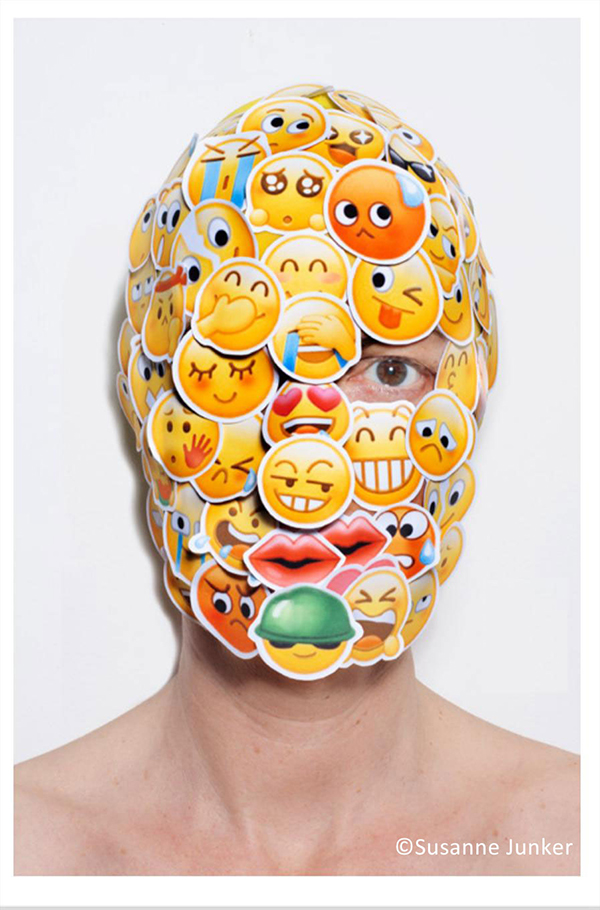
"SELF-PORTRAITS WITH MASKS I – VI" With this new series, Susanne Junker explores the phenomenon of the usage and rise of emojis in our digital world, by adopting an anti-AI approach, by un-digitalising the emojis, printing them on paper, and creating masks of them on her own face. Each mask carries a topic and a conversation, covering Susanne’s entire face and leaving only her bare neck visible, which is representing the self within this self-portrait series.
“帶面具的自畫像I-VI” 在這個新系列中,Susanne Junker 探索了表情符號在數位世界中的使用和興起現象,採用了反人工智慧的方法,將表情符號取消數位化,將它們印在紙上,並自己創建了它們的面具臉。 每個面具都承載著一個主題和一段對話,覆蓋了蘇珊娜的整張臉,只留下她裸露的脖子,代表著這個自畫像系列中的自我。
Zane Mellupe
Zane Mellupe is an artist and curator from Europe based in Shanghai. An important part of her work looks at social art, urban regeneration projects, and documentary research. Zane Mellupe is the founder of Yongkang Road Art Street and WhyWhyArt, developer and curator of the concept of Yuyuan Road Art Street, and co-founder of the Liudao Art Collective. She is also VP of EASA – The European Art and Science Association.
As an artist, Zane works mainly in contemporary photography and multimedia installations, where she deconstructs the popular understanding and reading of images, expanding it both conceptually and materially. She employs in her art works three mediums important to her: the image, the object and the body. The object merges with the image; the body reclaims its functions and enters the photographic image. These three mediums are in a dynamic of simultaneous coordination and opposition, in the same way of literary figures of speech.
A recurrent element in her work is a questioning of photography, treating the image as if it were an object, and also multiplying the suggestive powers of the image. This oeuvre becomes a visualization of metaphors that allow us to express mind states. She creates textual pieces, the “physical world of literature”, in an echo of her works. Photography and reality merge in Zane Mellupe’s work, a constant back-and-forth between the material and the conceptual.
Zane Mellupe是來自歐洲的藝術家和策展人,現居上海。她工作的一個重要部分涉及社會藝術、城市復興項目和紀錄片研究。Zane Mellupe是永康路藝術街和WhyWhyArt的創始人,豫園路藝術街概念的開發者和策展人,六道藝術集體的聯合創始人。她也是歐洲藝術和科學協會EASA的副總裁。
作為一名藝術家,Zane主要從事當代攝影和多媒體裝置,她解構了大眾對圖像的理解和閱讀,在概念和物質上擴展了它。她在藝術作品中運用了三種對她來說很重要的媒介:圖像、物體和身體。對象與圖像合并;身體恢復其功能并進入攝影圖像。這三種媒介處于一種同時協調和對立的動態中,就像文學修辭格一樣。
在她的作品中,一個反復出現的元素是對攝影的質疑,將圖像視為一件物品,同時也增加了圖像的暗示力。這部作品變成了隱喻的可視化,讓我們能夠表達精神狀態。她創造了文本作品,即“文學的物理世界”,以呼應她的作品。攝影和現實融合在Zane Mellupe的作品中,在材料和概念之間不斷來回。
Artist statement
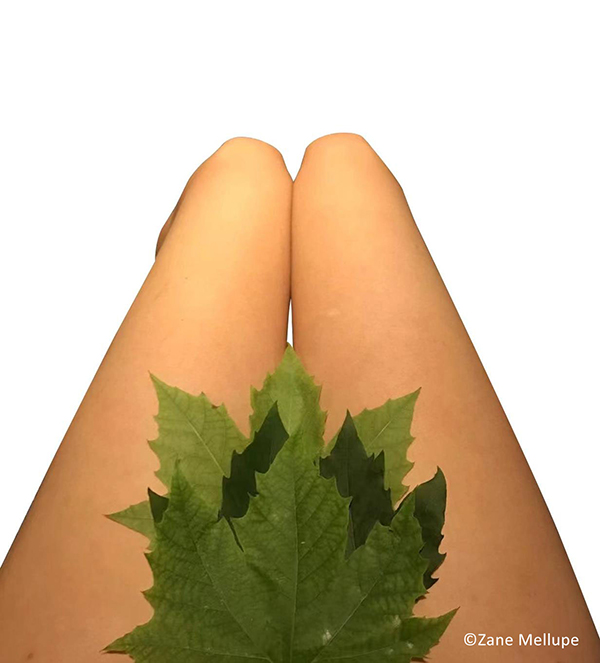
“Wutong says: globalisation is over, we need to deal with the consequences” is an ongoing series of works where Zane anthropomorphizes platan trees and gives tree-like traits to humans. Through revisiting trees, we revisit the normless nonbinary state in nature.
“吳彤說:全球化結束了,我們需要處理后果”是一個正在進行的系列作品,Zane將普拉坦樹擬人化,并賦予人類類似樹的特征。通過重溫樹木,我們重溫了自然界中無規范的非二元狀態。